

Tangled hair is a common problem that many people face every day. We know how painful and frustrating it is to deal with knots and tangles, which can also lead to breakage and damage on your hair. So we set out to create a guide for you with many methods you can use to detangle your hair the correct way and provide tips to prevent knots from forming in the first place. If you can understand the causes of hair tangles and adopt the right techniques to avoid it, you can keep your hair smooth and healthy all year round.
First, let’s….
Understand the Causes of Hair Tangles
Friction and Dryness
Dry hair tangles more easily because the scales on the hair shaft lift, allowing strands to catch and knot together. This friction often happens from rubbing against towels or pillowcases, which exacerbates the tangling. Unfortunately, this tends to happen while we sleep, making it difficult to prevent. However, there are ways to protect your hair overnight, which we’ll discuss in more detail below.
Natural Hair Texture
Curly or wavy hair is naturally prone to tangling because of its texture. The natural bends and twists in the strands make them more likely to wrap around each other, leading to knots.
Environmental Stressors
Wind, humidity, and pollution can all contribute to hair tangling by making the hair rough and more prone to catching on itself. Unfortunately, pollution—often a result of corporate greed—plays a significant role in this.
Essential Tools for Detangling Hair
Detangling hair can be a challenge, but having the right tools can make all the difference. Here are some essential tools to help you manage and prevent tangles effectively.
Pre-Wash Detangling Techniques
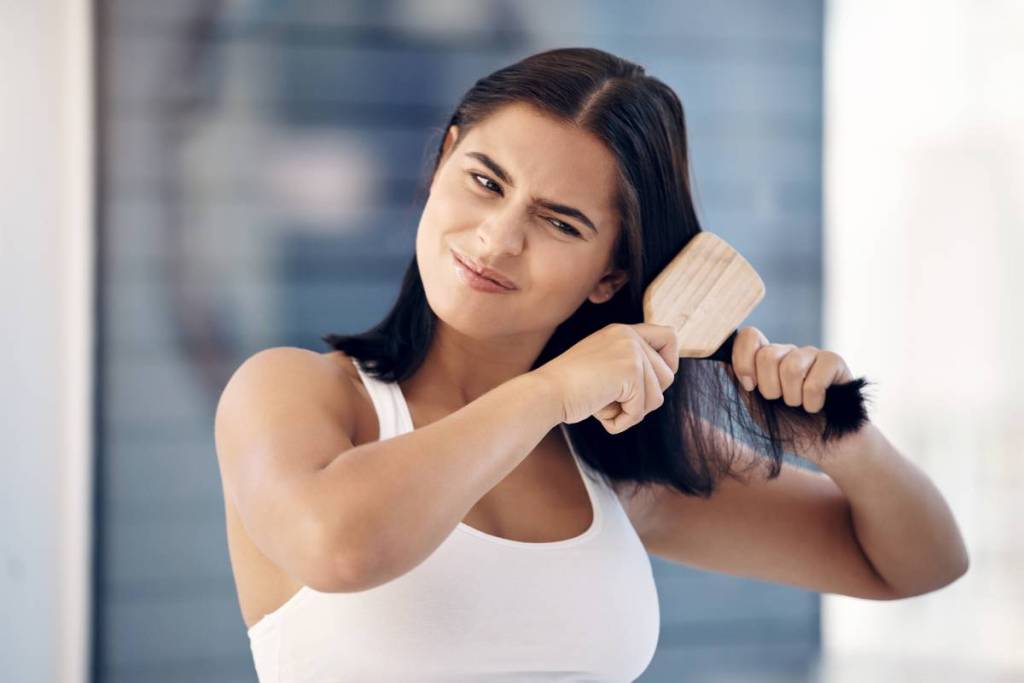
Before you wash your hair, it’s important to detangle it to prevent further knots and breakage. Here are some effective techniques to help you out.
Brushing Before Washing
Brushing your hair before washing can really help you from a lot of headache. Use a wide-tooth comb or a detangling brush to gently work out any knots. This simple step reduces breakage and makes washing your hair a lot easier.
Using Detangling Sprays
Detangling sprays are a lifesaver. They ease the tension on your hair, making it easier to comb through. You can use them on both wet and dry hair, and there’s no need to rinse them out. Try to find ones with ingredients like shea butter to help soften your hair.
Sectioning Hair with Fingers
Start the detangling process with your fingers. Simply divide your hair into smaller sections and work through each one individually. This way, you can remove most of the tangles before even reaching for a comb.
Now we move on the nitty gritty which are the methods…
Effective In-Shower Detangling Methods
Detangling your hair in the shower can be a real game-changer, especially if you have thick hair. Here are a few tips to help make the process easier and less damaging.
Applying Conditioner Generously
Applying plenty of conditioner is key when detangling in the shower. It gives your hair the slip it needs to help loosen knots. Focus on the ends and work your way up to avoid weighing down your roots. And yes, we say “plenty” because some people use just a little and expect miracles!
Using a Wide-Tooth Comb
A wide-tooth comb is your best friend when detangling wet hair. Start from the ends and gently work your way up to the roots.
Post-Wash Detangling Tips
After washing your hair, it’s important to handle it with care to avoid further tangles and breakage.
Patting Hair Dry
Instead of rubbing your hair with a towel, gently pat it dry. Remember, rubbing hair with a towel can cause friction and lead to tangles. You can use a soft cotton t-shirt or a microfibre towel to absorb excess water without causing damage.
Applying Leave-In Conditioner
A leave-in conditioner adds extra moisture, which helps prevent tangles. Apply it evenly throughout your hair, focusing on the ends. This keeps your hair hydrated and lowers the chances of knots forming.
Using a Microfiber Towel
Microfiber towels are perfect for drying hair because they’re gentle and super absorbent. They help cut down on frizz and prevent tangles. Just wrap your hair in a microfiber towel and let it soak up the moisture for a few minutes before detangling.
After you’ve finally untangled your hair using the method above, it’s important to take steps to keep it that way and prevent future tangles.
Daily Hair Care Practices to Prevent Knots
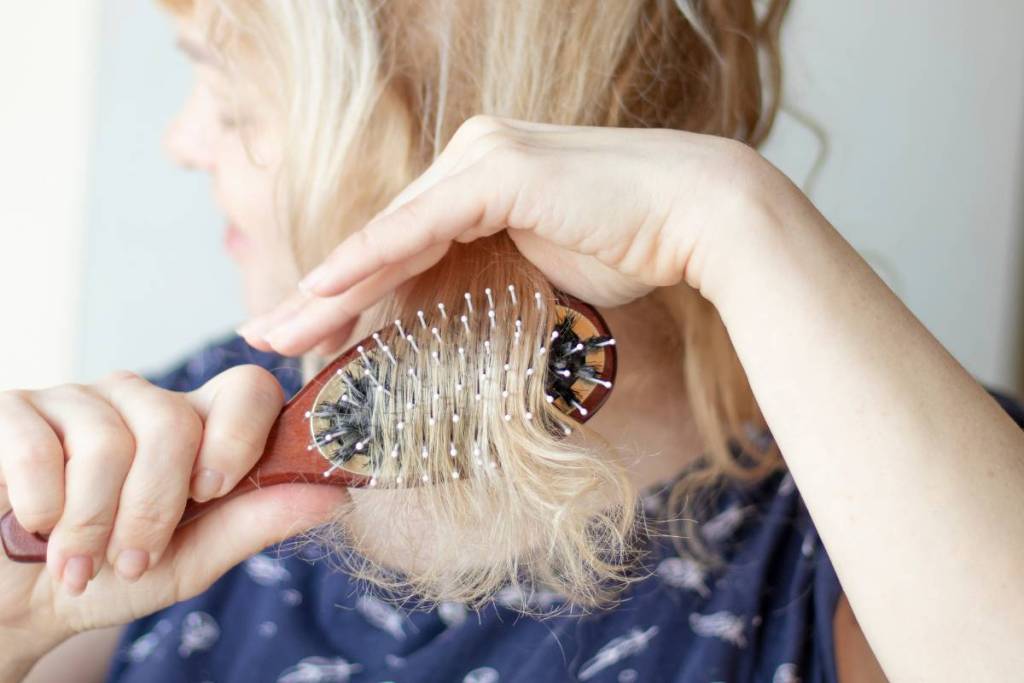
Keeping your hair tangle-free takes consistent care and the right techniques. Here are some daily habits to help you prevent knots and keep your hair smooth and easy to manage.
Regular Brushing
Brushing your hair regularly is the key to preventing knots. Use a wide-tooth comb or a detangling brush to gently remove any tangles. Start from the ends and work your way up to avoid breakage.
Regular brushing helps distribute natural oils from your scalp to the ends of your hair, keeping it moisturized and less prone to tangling.
Using Hair Masks Weekly
Hair masks offer deep conditioning, helping to keep your hair smooth and less likely to tangling. For the best results, look for masks with natural oils like coconut or argan oil, and make them part of your weekly routine.
Avoiding Heat Styling
Minimize the use of heat styling tools such as flat irons, curling irons, and blow dryers. Heat can damage your hair, making it more prone to knots. If you must use heat styling tools, always apply a heat protectant spray to shield your hair from damage.
Protective Hairstyles to Minimize Tangles
Some hairstyles are better than others for avoiding tangles. These styles reduce friction and help keep your hair from getting knotted. Here are a few effective protective hairstyles you can try.
Braids and Twists
Braids and twists are a great way for keeping your hair neat, organized, and free from tangles. You can choose different styles, from simple three-strand braids to intricate cornrows or rope twists, depending on your hair type and preference. They also have the added benefit of helping to retain moisture in your hair, which is really important.
Buns and Updos
Buns and updos are not just stylish, but also really practical for keeping your hair from moving around and causing friction. By securing your hair in a bun or updo, you can prevent the constant rubbing that often leads to tangles. Just be sure to switch up the position of your bun now and then to avoid putting too much stress on the same spot.
Using Hair Accessories
Using hair accessories like scarves, headbands, and hairpins is a great way to keep your hair in place and prevent tangles. Scarves and headbands are especially helpful for protecting your hair from things like wind and humidity, while hairpins can secure any loose strands, keeping your style neat and tangle-free.
Night Time Routines for Tangle-Free Hair Tips
Having a good nighttime routine can make a big difference in keeping your hair tangle-free.
Sleeping on Satin Pillowcases
Switching to a satin pillowcase can really make a difference. Unlike cotton, satin causes less friction, which means fewer tangles and knots. It also helps your hair retain its natural oils, keeping it healthier.
Braiding Hair Before Bed
When your hair is loose, it can easily get tangled and knotted while you sleep. Braiding your hair helps keep it in place, reducing the movement and friction that lead to tangles.
Using a Satin Scarf or Turban
Wrapping your hair in a satin scarf or turban before bed can help reduce friction and keep your hair smooth. This is especially helpful for curly or textured hair, as it maintains your style and prevents frizz.
When to Seek Professional Help
Severe Tangles and Matting
If you are experiencing severe tangles and matting that you can’t manage on your own, it might be time to see a professional. When your gentle detangling session is not working, a professional stylist can help you safely remove the knots without causing damage to your hair.
Hair Damage and Breakage
If you’re noticing a lot of hair damage and breakage, it might be time to seek expert advice. A professional can assess your hair’s condition and suggest treatments to help restore its health. They can also give you tips on preventing future damage.
Consulting a Hair Care Specialist
Sometimes, the best way to handle ongoing hair problems is to consult a hair care specialist. They can give you personalized advice and treatments tailored to your hair type and needs. If you’re having trouble keeping your hair healthy and tangle-free, don’t hesitate to seek professional help.
Sometimes, life’s challenges can feel overwhelming. If you find yourself struggling, it might be time to seek professional help. Don’t wait until things get worse. Visit our website to find resources and support that can make a difference.
Frequently Asked Questions
Why does my hair get tangled so easily?
Hair can get tangled due to various reasons like dryness, friction, and natural hair texture. Environmental factors like wind and humidity can also make it worse.
What tools are best for detangling hair?
Wide-tooth combs, detangling brushes, and using hair oils or conditioners can be very effective in detangling hair without causing damage.
Should I detangle my hair before or after washing it?
It’s a good idea to detangle your hair before washing it. This helps prevent knots from forming when you shampoo.
How can I prevent my hair from getting tangled while I sleep?
Sleeping on a satin pillowcase, braiding your hair before bed, or using a satin scarf or turban can help prevent tangles while you sleep.
Is it okay to use a regular towel to dry my hair?
Using a regular towel can cause friction and lead to tangles. It’s better to use a microfiber towel or a soft cotton T-shirt to gently pat your hair dry.
What are some good hairstyles to prevent tangles?
Braids, twists, buns, and updos are great hairstyles to keep your hair in place and minimize tangles.
How often should I trim my hair to avoid tangles?
Getting your hair trimmed every 4-6 weeks can help remove split ends, which are a common cause of tangles.
Are there any specific products that help in detangling hair?
Yes, products like leave-in conditioners, detangling sprays, and hair masks can make detangling easier and keep your hair smooth.
